Skip to content
No results
  • Home
  • Artifacts
  • HowTo
  • About me
  • Copyright
Thesis Friday – Fridays are for artifacts
Fridays are for artifacts

Decode. Analyze. Understand.

  • Home
  • Artifacts
  • HowTo
  • About me
  • Copyright
Thesis Friday – Fridays are for artifacts
Fridays are for artifacts

Decode. Analyze. Understand.

  • Artifacts, blog, Home

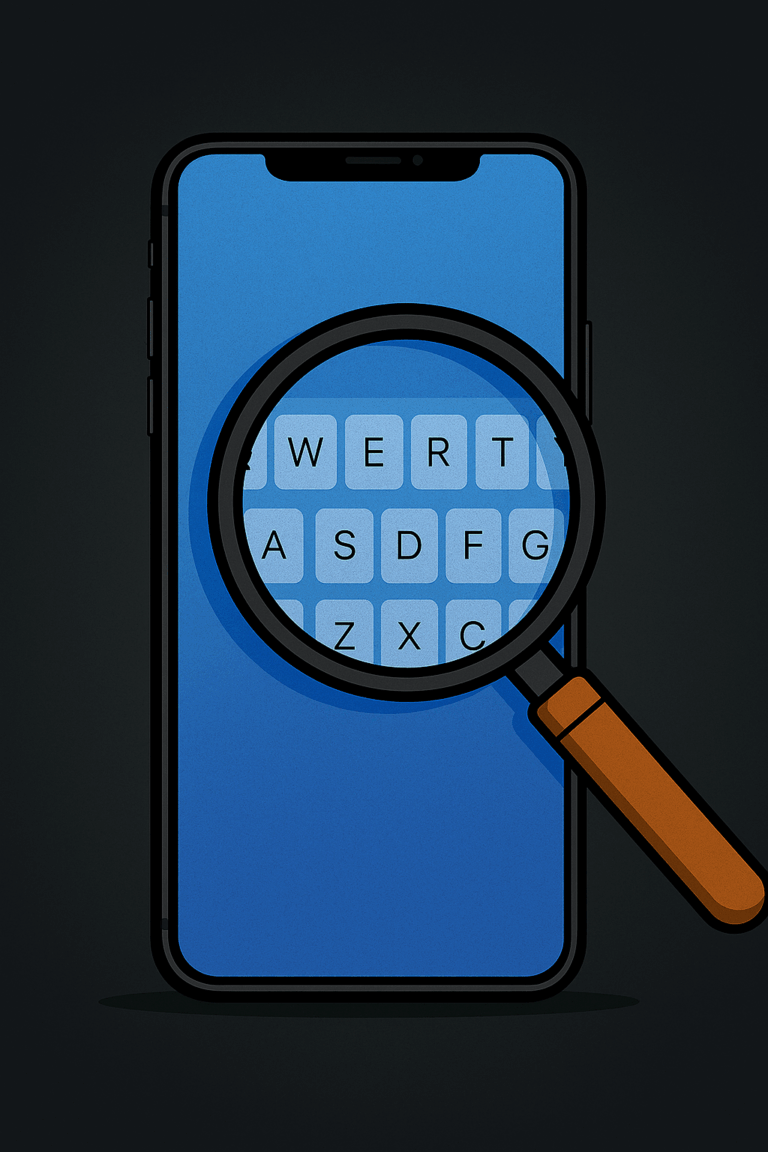
Thesis Friday #17: Touch Events on the iOS On-Screen Keyboard

This week a colleague shared some interesting artefacts related to the on-screen keyboard in iOS and asked me to validate them and provide forensic interpretation. The result: a consistent sequence of artefacts in the Apple Unified Log (AUL) that reveal…

  • Tim Korver
  • October 3, 2025
  • Artifacts, blog

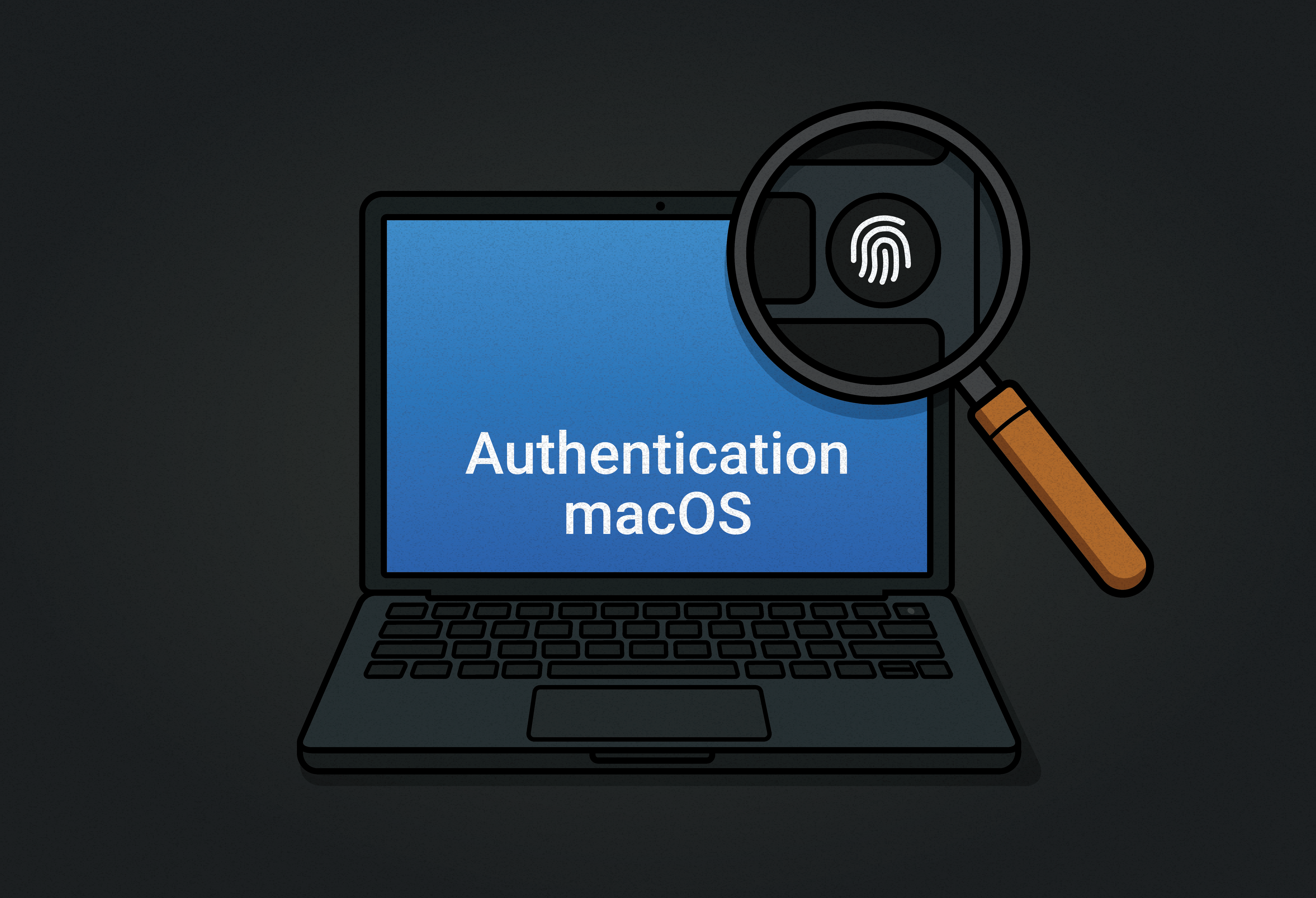
Thesis Friday #16: Unlocking a MacBook with the Touch ID Sensor

The summer break is officially over, and it’s time to continue digging deeper into the Apple Unified Log (AUL). Up until now, my focus has been mostly on iPhones, but this week I shifted towards MacBook artefacts. What makes this…

  • Tim Korver
  • August 22, 2025
  • Artifacts, blog

Thesis Friday #15 – Generating a Sysdiagnose via AssistiveTouch

The summer break has officially started, which means I’ll be switching to a lighter posting rhythm for the coming weeks. Expect a new post every two weeks until the end of August. But even during the holidays, the Apple Unified…

  • Tim Korver
  • July 25, 2025
  • Artifacts, blog

Thesis Friday #14: AUL – Touch Events

This week, I focused on a subtle but powerful forensic signal in iOS: touchscreen interaction. These touch gestures can in fact reveal user intent, physical interaction, and even pre-unlock behaviour. I ran a series of controlled tests on an iPhone running…

  • Tim Korver
  • July 11, 2025
  • 1 Comment
  • Artifacts, blog

Thesis Friday #13: AUL – Detecting Airplane Mode Activation in iOS 26 Beta

This week I examined a forensic trace that is often underestimated in mobile analysis: the moment a user manually enables or disables Airplane Mode. With the release of iOS 26 Beta 1, the Apple Unified Log now provides clear and timestamped visibility…

  • Tim Korver
  • July 4, 2025
  • 1 Comment
  • Artifacts

Thesis Friday #12: AUL – First Glance at iOS 26

This week, I took my first forensic look at iOS 26 beta, using a brand-new test setup designed to replicate the conditions I used in previous analyses on iOS 18. By repeating the same interaction patterns, for example unlocks, gestures, and idle…

  • Tim Korver
  • June 27, 2025
  • Artifacts

Thesis Friday #10: AUL – Artefacts on a iPhone 6 (iOS 12.5.7)

This week, I turned to an older Apple device: the iPhone 6, running iOS 12.5.7. Despite its age, the Apple Unified Log (AUL) on this device still reveals detailed interaction artifacts particularly around Touch ID usage, passcode unlocks and Home Button artefacts.…

  • Tim Korver
  • June 13, 2025
  • Artifacts

Thesis Friday #9: AUL connecting a USB cable

This week I focused on a subtle but forensically valuable artefact: detecting when a device was physically connected to power. Or physically connected to a USB cable without charging. USB connections are often overlooked during triage, but can be critical…

  • Tim Korver
  • June 6, 2025
  • 4 Comments
  • Artifacts

Thesis Friday #8: AUL – Physical Buttons Volume

As part of my ongoing research into Apple Unified Logs (AUL), this week’s focus is on physical interactions specifically, the use of the volume buttons on an iOS device. While seemingly simple, these artifacts can provide clear and timestamped evidence of user…

  • Tim Korver
  • May 30, 2025
  • 1 Comment
  • Artifacts

Thesis Friday #7: Apple Unified Log or Sysdiagnose?

AUL or Sysdiagnose

Sysdiagnose or CLI Logarchive? When conducting forensic investigations on Apple devices, Unified Logs provide a treasure trove of information about user interactions, system events, and application behavior. However, the way these logs are extracted greatly influences the amount and quality…

  • Tim Korver
  • May 29, 2025
  • 1 Comment
1 2
Next

© 2025 T. Korver  

Licensed under CC BY-SA 4.0.